
Injury or surgery
An ankle sprain, a torn rotator cuff repair, a knee replacement: each shows up in a physical therapy clinic with the same two problems — pain and a joint or limb that no longer moves through its normal range. The path from there follows a fairly consistent arc.
A licensed physical therapist starts with an initial evaluation, testing strength, range of motion, and movement patterns against what's normal for the joint and the person's age and activity level, then setting measurable goals against that baseline. From there, the plan of care typically combines manual therapy — hands-on joint mobilization and soft tissue work — with therapeutic exercise progressed over the following weeks, according to the American Physical Therapy Association. The endpoint of a successful episode is restored movement and reduced pain, verified against the same measures taken at the first visit, not just a subjective "feeling better."
What most descriptions skip is the shape of that middle stretch. A follow-up visit isn't a repeat of the first one: the therapist rechecks a handful of the same measures taken at evaluation, adjusts exercise load or manual technique based on what changed, and adds new movement demands only once the current ones are tolerated without a pain flare. That's why episode length varies by diagnosis and can't be reduced to a fixed number of visits — progress is measured against the goals set at evaluation, not against a calendar.
Chronic condition or ageing
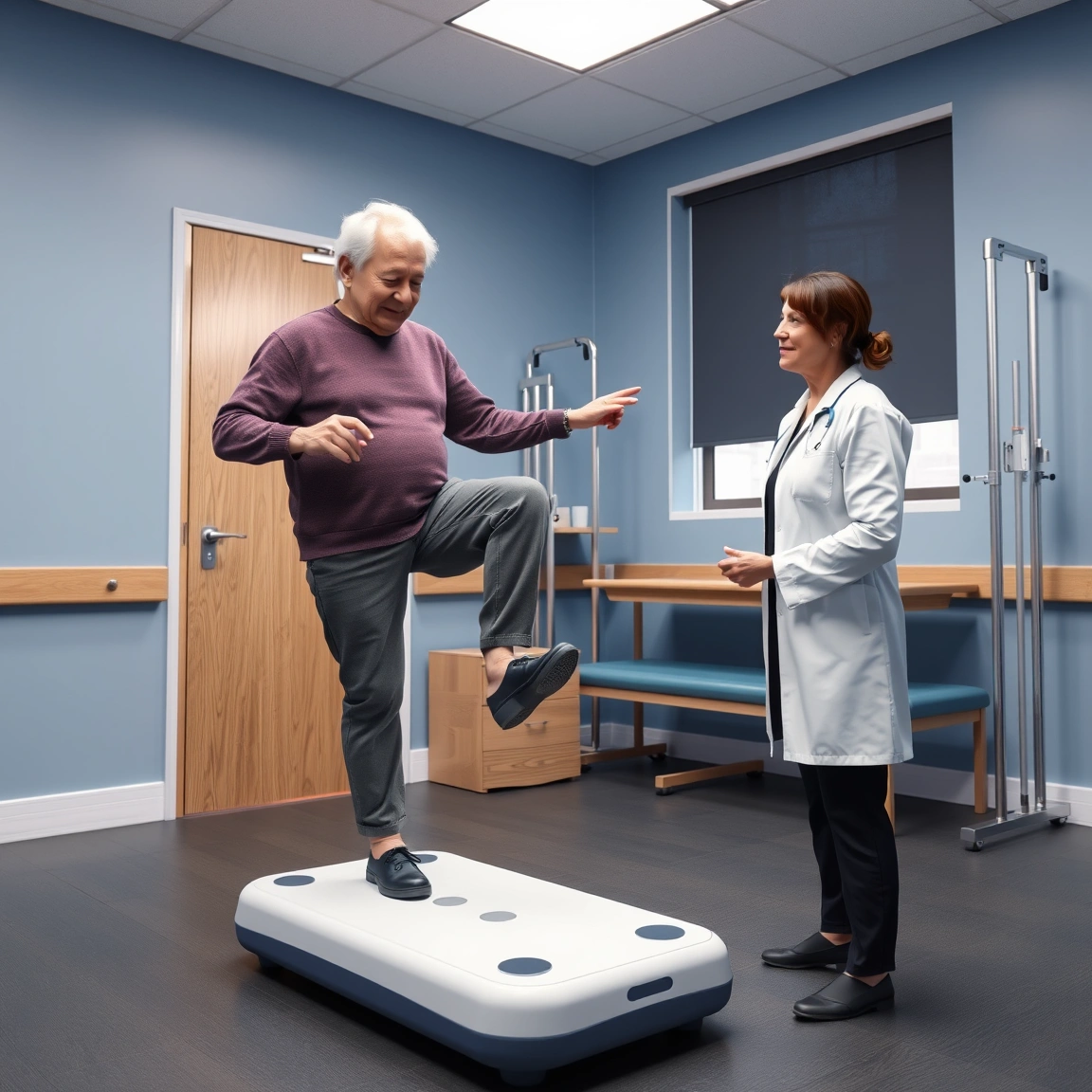
Physical therapy isn't only for acute injuries — it's also prescribed for chronic conditions and age-related decline, where the presenting problem is weakness and a balance deficit rather than a single traumatic event. Left unaddressed, that combination raises fall risk, which is why balance training shows up so often in plans of care for older adults, as described in Cleveland Clinic's overview of physical therapy.
The intervention here looks different from post-injury rehab: strength and balance exercise paired with patient education on home hazards, footwear, and activity pacing, rather than manual therapy aimed at a single joint. The goal is a lower fall risk and preserved independence in daily tasks — walking, stairs, getting up from a chair — measured against function, not against resolving a specific injury.
This is the case most explanations of physical therapy under-cover, because there's no acute event to point to. The trigger for a referral is a decline in function over months, sometimes noticed by a family member before the person themselves reports it, or picked up during a routine visit when a clinician observes slowed gait or difficulty rising from a chair unassisted.
Persistent musculoskeletal pain
For persistent low back, neck, or joint pain without a clear traumatic cause, physical therapy is often tried before imaging or a surgical referral, not after. A conservative trial — a defined period of exercise, manual therapy, and activity modification — is standard practice for many musculoskeletal complaints, and MaineHealth's description of physical therapy services frames this as one of the more common reasons patients are referred.
The reason this sequencing matters to a reader is practical: a documented conservative trial that doesn't resolve the problem is often exactly what a physician or surgeon wants to see before ordering imaging or considering a procedure. So framing the question to a physician as "should we try physical therapy first" — rather than waiting for it to be offered — can change the order in which care happens, and can mean avoiding surgery or long-term pain medication if the conservative approach works.
It's also where the limits of physical therapy show up most clearly. If pain doesn't respond to a reasonable trial of exercise and manual therapy, if new neurological symptoms appear — numbness, weakness spreading down a limb, loss of bladder or bowel control — or if pain is worsening rather than plateauing, that's a signal to return to the referring physician rather than continue the current plan. Physical therapy treats movement and function; it doesn't diagnose or manage a condition that turns out to be systemic, vascular, or requiring imaging and a different specialist.
Physical therapist, PTA, and the path to licensure
Physical therapist and physical therapist assistant are not the same credential, and the difference determines who can evaluate and who can only carry out a set treatment plan. A physical therapist independently evaluates, diagnoses movement dysfunction, and designs the plan of care; a physical therapist assistant works under a PT's supervision, delivering exercises and select treatments but not performing the initial evaluation or changing the plan's goals.
Becoming a physical therapist requires a specific sequence:
- Complete a bachelor's degree with prerequisite science coursework.
- Earn a Doctor of Physical Therapy (DPT) degree from an accredited program.
- Complete required clinical education rotations within the DPT program.
- Pass the national licensure examination.
- Obtain a state-issued licence, since practice requires state licensure and PTs must be licensed in the state where they practice, per the Bureau of Labor Statistics' occupational profile.
That last step matters beyond the career question: it's also why scope of practice and whether a patient needs a physician referral before starting PT (so-called direct access) differs from state to state — a licence issued by one state doesn't automatically carry the same practice rules as another.
What physical therapy is, and what it isn't
Physical therapy is non-surgical care that uses movement, exercise, and hands-on technique to restore function — also called physiotherapy, and delivered specifically by a licensed practitioner, not a general wellness provider, according to Wikipedia's overview of the profession. That single definition covers a wide range of settings — orthopedic clinics, hospital inpatient units, home visits, pediatric and neurologic rehab — but the throughline in all of them is restoring or preserving movement and function through active treatment, not passive rest.
What it treats well: recovery after injury or surgery, chronic pain tied to movement and posture, balance and fall risk, and functional decline from conditions like stroke or Parkinson's disease. What it does not do: diagnose or treat conditions unrelated to movement and function — it isn't a substitute for medical management of infection, cardiac disease, cancer, or mental health conditions, and a therapist who finds symptoms outside that scope during an evaluation will refer the patient back to a physician rather than treat them. ChoosePT, the APTA's consumer resource, frames this scope distinction the same way: PT addresses movement and function, and anything outside that belongs with the appropriate medical specialist.
Rehabilitation is the larger process; physical therapy is one part of it
Rehabilitation is the broader recovery process a patient goes through after injury, surgery, or the onset of a chronic condition, and physical therapy is one component of it — often alongside occupational therapy, speech-language pathology, and physician-directed medical management, depending on the diagnosis. A single episode of rehabilitation might involve a physical therapist for movement and strength, an occupational therapist for daily-living tasks, and a physician managing medication or monitoring healing — coordinated but distinct roles, a distinction ChoosePT also draws when explaining how physical therapy fits alongside other rehabilitation disciplines.
Knowing that distinction changes what to ask for at a referral: "rehab" as a general term can mean any combination of these services, while "physical therapy" specifically means the movement-and-exercise-based treatment delivered by a PT or PTA under a PT's supervision. If a referral says rehabilitation without specifying which discipline, it's worth asking directly which professional will be doing the evaluation and treatment before the first appointment is scheduled.
If pain, weakness, or limited movement is affecting daily function, the next step is a referral or a call to a clinic to ask whether direct access applies in the relevant state — not a search for a home exercise program to try first.